with the deepening of digital transformation, more and more enterprises are beginning to pay attention to the construction of their it infrastructure. in hong kong, self-operated computer rooms and hosting services have become the two main options for enterprises to manage and store data. this article will analyze the pros and cons of both services to help businesses make more informed decisions.
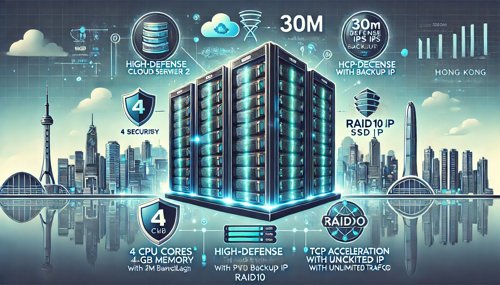
self-operated computer rooms provide enterprises with greater control and flexibility. enterprises can design the layout, equipment and network architecture of the computer room according to their own needs. in addition, self-operated computer rooms can achieve higher security because the enterprise can directly manage physical access and data protection measures. enterprise data is not shared or exposed to third parties, reducing potential security risks. at the same time, the long-term return on investment of self-operated computer rooms is usually higher, especially for large enterprises, where a high degree of customization can effectively improve operational efficiency.
although self-operated computer rooms have their advantages, there are also many challenges. first of all, the initial investment cost is relatively high, including equipment purchase, machine room construction, and subsequent maintenance costs. in addition, enterprises need to invest corresponding human resources for management, which increases the operational burden to a certain extent. secondly, technology updates rapidly, and companies need to continuously invest funds to keep equipment modern and safe. in addition, the disaster preparedness and fault recovery capabilities of the computer room also need to be designed and implemented by the enterprise itself, which places higher requirements on the capabilities of the technical team.
hosting services are managed and maintained by professional service providers, and enterprises only need to focus on their own business development. first of all, the initial investment in hosting services is significantly lower than that of a self-operated computer room. enterprises only need to pay the rental fee to enjoy high-quality computer room facilities and services. secondly, hosting service providers usually have professional technical teams that can provide higher technical support and maintenance services to help enterprises improve the stability and security of it systems. in addition, managed services often include disaster preparedness and failure recovery solutions, reducing a business's operational risks.
despite the convenience that hosting offers, it also has its drawbacks. first, enterprises have relatively low control over data and devices and rely on the management level and security measures of service providers. second, in the long term, the cost of hosting services is likely to increase as your business expands, especially as data traffic and storage needs continue to grow. in addition, enterprises may face technical compatibility and data security issues when migrating data to a hosted service, especially when sensitive data is involved.
when choosing between self-operated computer rooms or hosting services, companies need to consider multiple factors. first, the size and business needs of the enterprise will directly affect the choice. for example, large enterprises may prefer self-operated computer rooms to gain greater control, while small and medium-sized enterprises may prefer managed services to reduce costs. secondly, the company's technical capabilities and resources are also crucial. if the company lacks enough it professionals, self-operated computer rooms may bring greater risks. in addition, companies should evaluate future growth potential and choose solutions that can adapt to business changes.
taken together, hong kong computer room self-operation and hosting services each have their own advantages and disadvantages. the key lies in the specific needs and resources of the enterprise. when making decisions, companies should carefully evaluate their technical capabilities, budget, and need for control. for businesses looking to get started quickly and with less initial investment, managed services may be a better option. for those enterprises that require high security and personalized configuration, self-operated computer rooms may be more suitable. no matter which method you choose, ensuring data security and business continuity should always be your top priority.
- Latest articles
- Community Q&A Summary: Are US Servers Offline And Common Recovery Experiences Nowadays?
- Recommendations For Establishing Audit And Security Incident Response Processes For High-defense VPS Logs Without Filing In Hong Kong
- From The Perspective Of SEO Optimization, Are Cambodia Servers Useful? Their Potential Impact On Rankings
- Analysis Of The Impact Of The U.S. Cluster Server Bandwidth Billing Model On Long-Term Costs
- How To Temporarily Scale Up During Peak Activity By Purchasing A Korean Cloud Server For One Day
- An Operations Perspective Analyzes The Key Points Of High-availability Architecture And Disaster Recovery Design For High-protection Servers In The United States
- Common Customer Questions And Strategies For Promoting Japanese Cloud Servers
- Experts Provide A Detailed Overview Of Several Common Deployment Methods For Hong Kong Server Clusters In The Market
- How Much Does Broadband Cost In Hong Kong Data Centers Compare To Domestic And International Network Latency?
- The Law Reminds Chinese People On How To Trade On Korean Servers And Pay Attention To Compliance In Cross-border Transactions
- Popular tags
-

The Rental Process Explains In Detail The Points To Note When Renting Server Hosting In Hong Kong From Contract Signing To Delivery.
this article explains in detail the complete process of renting server hosting in hong kong, from preliminary demand assessment, computer room and bandwidth selection, to contract signing, rack deployment, data migration and delivery acceptance. it focuses on the points of attention and compliance requirements from contract signing to delivery to help enterprises stably implement servers in hong kong. -

Sharing Migration Solutions: The Approach To Moving Hong Kong-based IP Servers From On-premises To The Cloud
This article shares migration solutions: The implementation approach for migrating Hong Kong’s native IP servers from on-premises to the cloud covers key aspects such as assessment and planning, network and IP reservation, data synchronization, DNS adjustments, security compliance, testing, rollback, and switching. It is suitable for technical teams seeking a robust migration strategy. -
Hong Kong Server Hosting Principles Reveal The Secrets Of Efficient Data Management
this article reveals the principles of hong kong server hosting, explores the secrets of efficient data management, and helps enterprises optimize data processing processes.